What Is Metallized Paper? A Craft Brewer's Guide to Beer Label Substrates

Published: April 2026 | 9 min read | Audience: Craft Brewery Owners & Procurement Beginners
Walk into any well-stocked bottle shop today. Pick up three craft beers at random. Chances are, at least two of them carry a label that catches the light — a metallic shimmer that makes the bottle look premium, deliberate, and shelf-worthy. But here is what most brewery owners never ask: what exactly is that material?
It looks like aluminum foil. It behaves like paper. It prints like neither, unless you know what you are working with. If you have ever found yourself nodding along when a supplier says "metallized paper" without actually knowing what distinguishes it from a standard foil label — this guide is for you. No jargon, no filler. Just a clear explanation of what metallized paper is, how it is made, and why it matters when you are choosing a beer label substrate for your brand.
📑 Table of Contents
1. What Metallized Paper Actually Is (And What It Is Not)
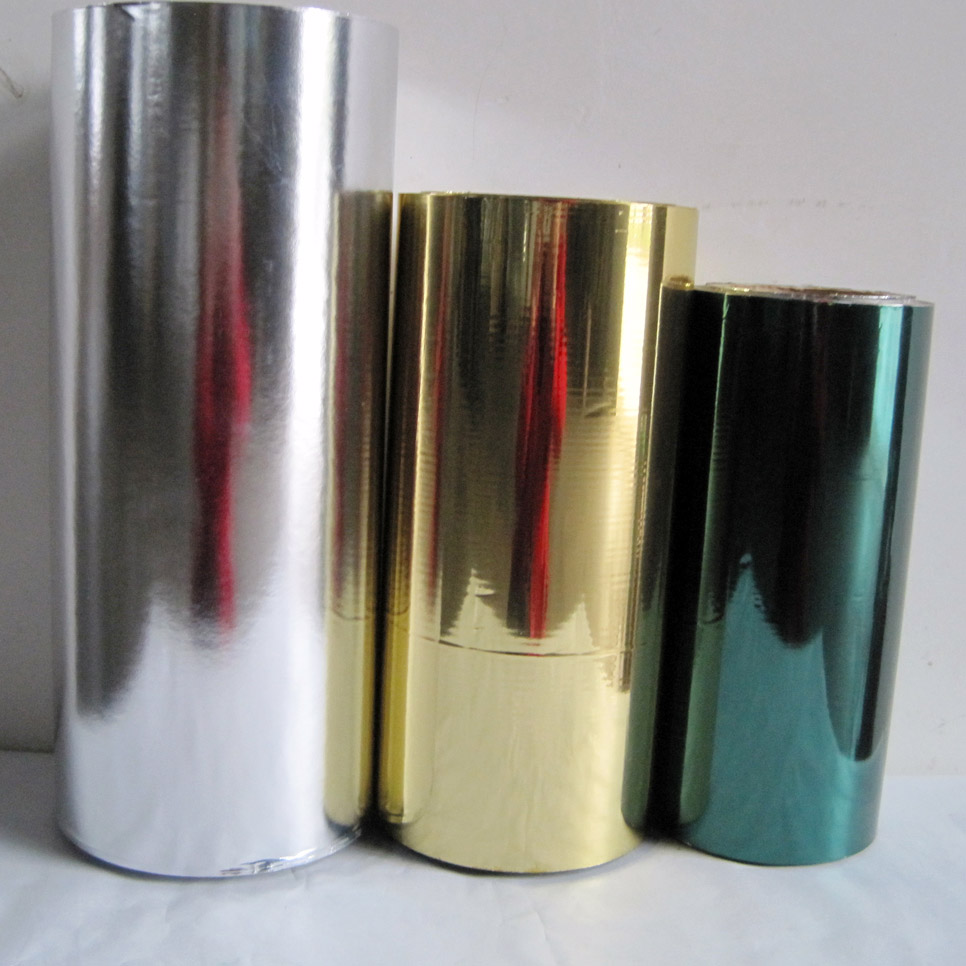
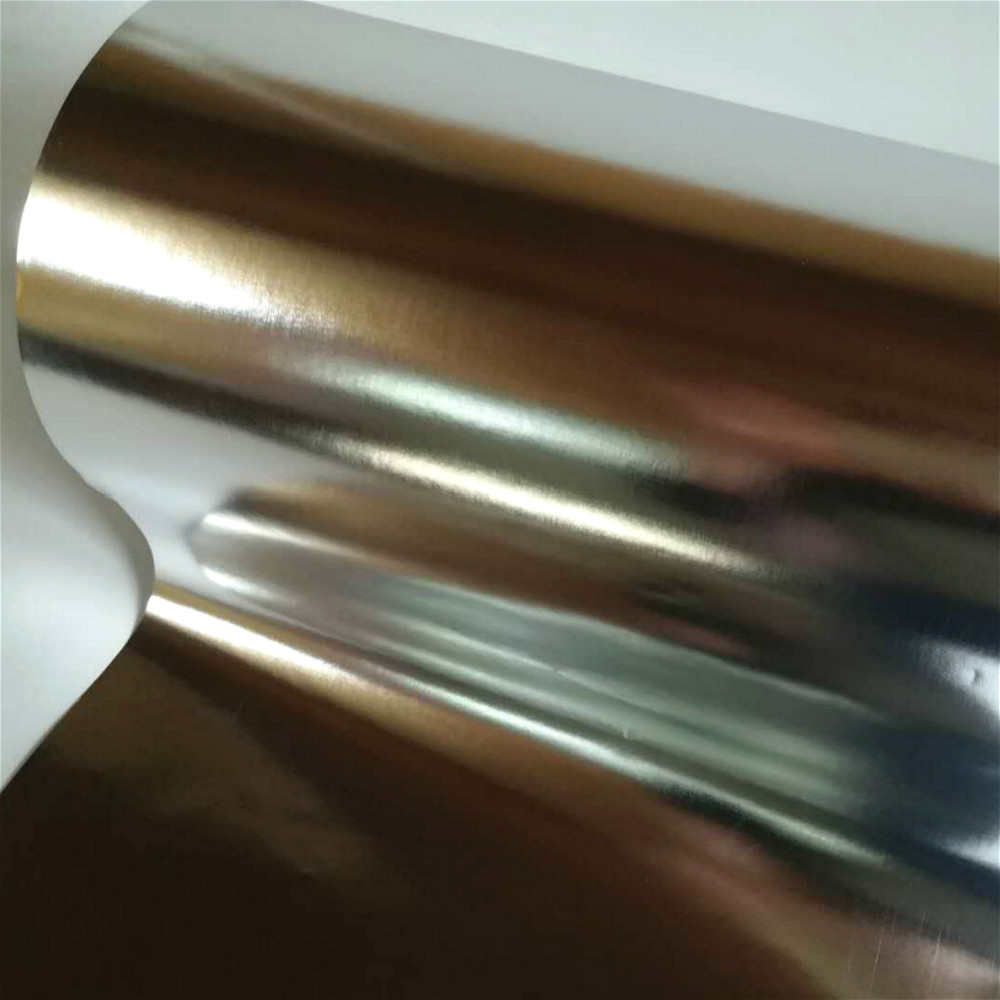
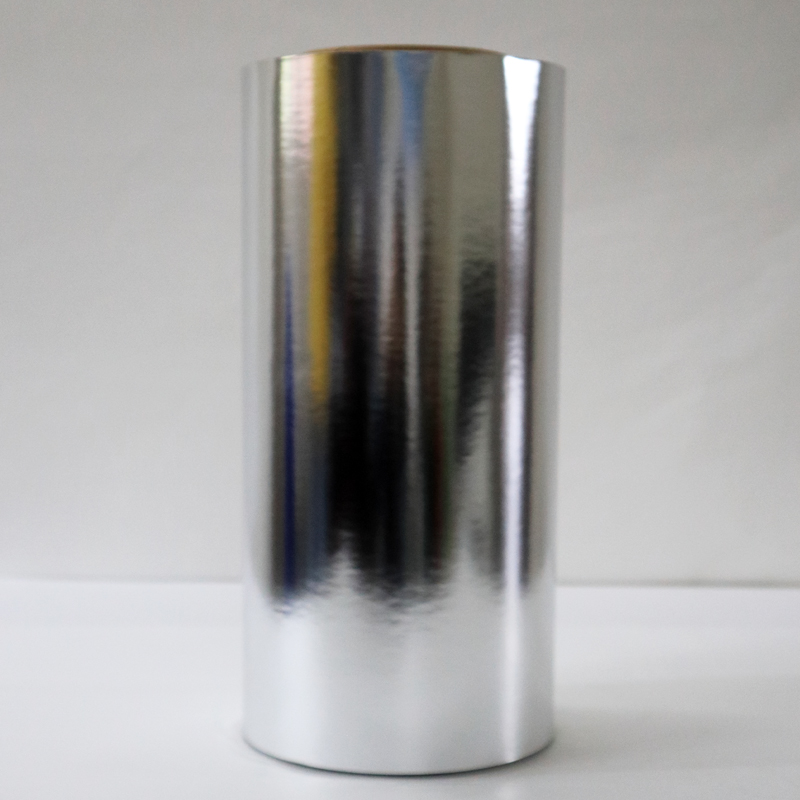
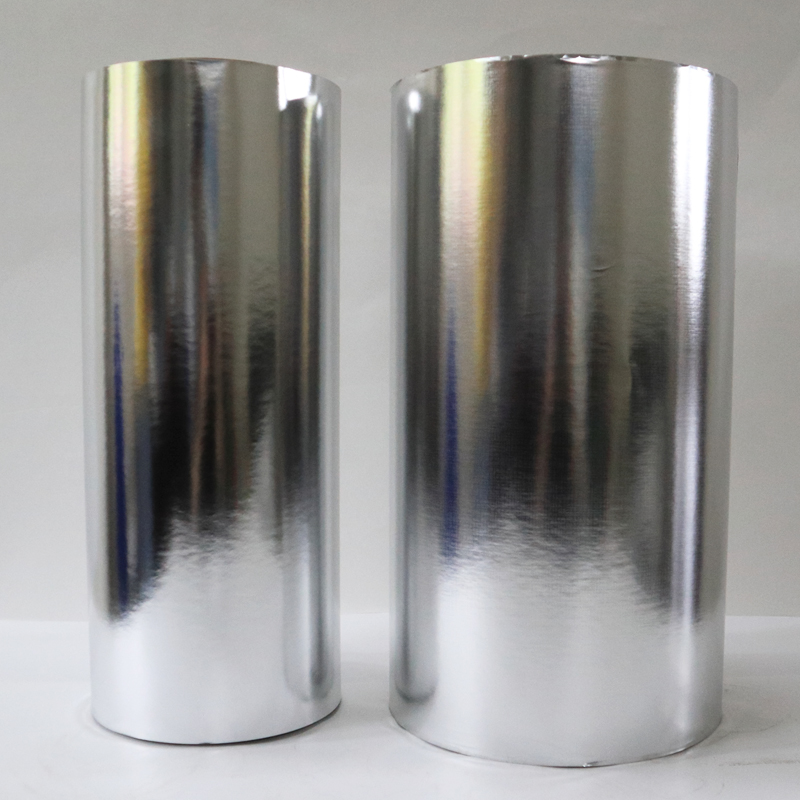
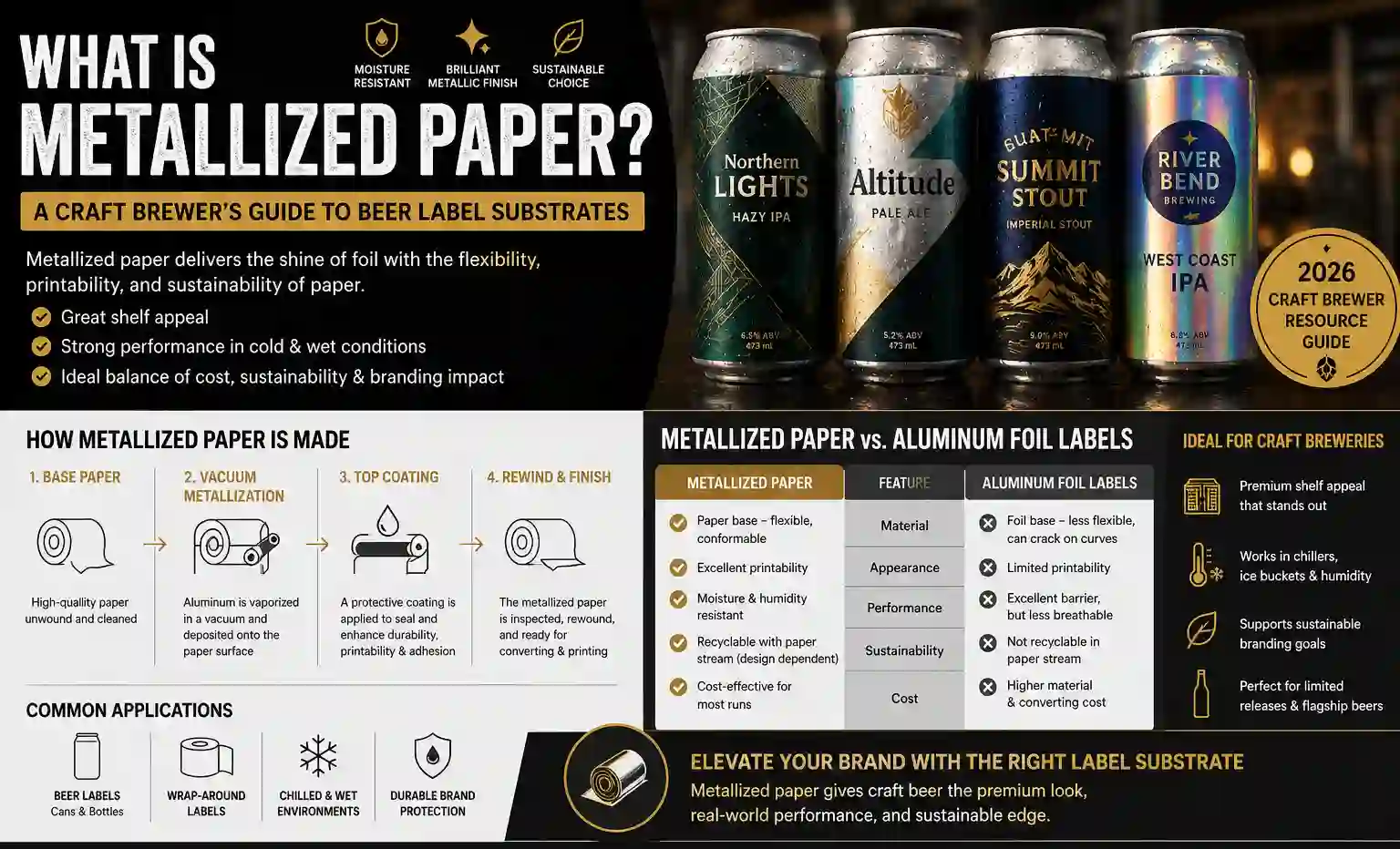
Let's clear up the most common confusion first. Metallized paper is not aluminum foil glued onto a paper backing. That is a completely different product — and a significantly heavier, more expensive one. Metallized paper is, at its core, a sheet of paper that has had an extraordinarily thin layer of aluminum deposited directly onto its surface.
How thin? We are talking about a layer typically between 25 to 40 nanometers — roughly 400 times thinner than a single strand of human hair. This aluminum layer is so fine that the paper beneath it retains its flexibility, its weight profile, and critically, its ability to be processed on standard label printing presses.
The result is a material that gives you the visual impact of metallic aluminum — the shine, the reflectivity, the premium look — without the structural rigidity or cost penalty of working with true foil. For a craft brewery trying to build shelf presence on a startup budget, that distinction matters enormously.
2. How Metallized Paper Is Made: Vacuum Metallization Explained Simply
This is where most supplier websites go quiet — because the manufacturing process is where the real quality differences live. There are two principal methods used to apply an aluminum layer to paper. Understanding them will immediately make you a smarter buyer.
Method A: Vacuum Metallization (The Premium Standard)
This is the process used by serious manufacturers like Huafu Pack. Here is how it works in plain language:
The paper roll is loaded into a large sealed vacuum chamber. The air is pumped out until the internal pressure drops to near-zero — a near-perfect vacuum environment.
High-purity aluminum wire is fed into a set of electrically heated tungsten boats. The intense heat causes the aluminum to evaporate, releasing a cloud of pure aluminum vapor inside the chamber.
The paper roll travels through the aluminum vapor at a controlled speed. The vapor condenses and bonds directly onto the cooled paper surface, forming an ultra-thin, uniform metallic coating in a single continuous pass.
A top coating is applied after metallization. This crucial finishing layer improves ink adhesion, surface tension, and protects the aluminum from oxidation during storage.
The vacuum environment is what makes this method superior. Because there is no oxygen inside the chamber during deposition, the aluminum bonds at the molecular level with exceptional uniformity. The resulting surface has the high optical density (OD value, typically ≥ 2.8) that gives premium beer labels their deep, mirror-like reflectivity.
Method B: Coating Metallization (The Lower-Cost Alternative)
Some manufacturers use a wet-chemistry process where aluminum particles are suspended in a liquid coating and applied to the paper surface like a conventional ink or varnish. The metallic effect is visible, but it is noticeably duller. The coating sits on the surface rather than bonding to it, which means adhesion is weaker, and the optical density is lower — the metallic look is more "matte gray" than "mirror silver."
For budget promotional labels, this might be acceptable. For a craft beer brand building its identity on shelf, it rarely is.
3. Metallized Paper vs. Aluminum Foil Label: The Real Differences
The confusion between these two materials costs buyers money every year — either overpaying for foil when metallized paper delivers the same visual result, or choosing metallized paper without understanding its specific performance limitations. Here is an honest side-by-side view.
| Comparison Factor | Vacuum Metallized Paper | Aluminum Foil Label |
|---|---|---|
| Aluminum Layer Thickness | 25–40 nm (nano-thin deposit) | 6,000–9,000 nm (solid foil sheet) |
| Unit Cost | Lower — less aluminum per m² | Higher — significantly more raw material |
| Flexibility on Press | Excellent — runs like paper | Moderate — requires tension adjustment |
| Wet Strength (Ice Bucket) | High (with wet-strength resin treatment) | High (inherent material property) |
| Recyclability | Better — paper-dominant fiber structure | Problematic — mixed material composite |
| Visual Metallic Effect | Mirror-bright silver (OD ≥ 2.8) | Mirror-bright silver |
| Custom Color Options | Silver, Gold, Holographic, Custom | Primarily silver and gold |
The honest conclusion: for the vast majority of craft beer labels, vacuum metallized paper delivers equivalent visual results at a meaningfully lower cost with better sustainability credentials. Aluminum foil labels still have a niche — typically in ultra-premium spirits packaging where the label's embossed three-dimensional rigidity is part of the brand identity. For beer, metallized paper wins on almost every practical axis.
📖 Further reading for procurement decisions: Wet Strength Metallized Paper for Beer Labels — Why It Matters in 2026
4. Why Craft Breweries Choose Metallized Paper Over Other Substrates
There is a reason that metallized paper has become the dominant substrate across premium beer labels globally, and it goes beyond the metallic look. Craft brewery owners — especially those entering retail distribution for the first time — consistently name three practical reasons for choosing it.
Reason 1: Shelf Impact Without a Premium-Tier Print Budget
A label printed on uncoated matte paper requires elaborate multi-color artwork to compensate for the lack of visual drama. Metallized paper does the heavy lifting for you. Even a relatively simple two-color print on a silver metallized background looks sophisticated and intentional. For a small batch brewery running its first thousand labels, this is significant.
Reason 2: It Survives the Retail Journey
From the bottling line to the distribution cooler to the retail refrigerator to the customer's ice bucket — beer labels go through more physical stress than almost any other consumer product label. Metallized paper, when correctly specified with wet-strength resins and the right adhesive system, is built for that journey.
Reason 3: Standard Printing Equipment Compatibility
Unlike certain specialty substrates that require equipment modifications, premium vacuum metallized paper runs on the same flexographic or offset presses your label printer already operates. There is no tooling surcharge, no special ink formulation required, and no learning curve for your print partner.
5. What to Ask Your Supplier Before You Order
Most craft brewery owners and new procurement assistants walk into their first substrate conversation without knowing what questions to ask. That information gap is exactly how you end up with a batch of labels that look perfect in the showroom and disappoint on the shelf. Here are the five questions that matter most.
What is the optical density (OD) value of this material? — Should be ≥ 2.8 for a premium mirror finish. Ask for a data sheet, not just a verbal answer.
What is the base paper grammage (GSM), and what wet-strength treatment is applied? — The GSM affects press handling and label stiffness. Wet-strength resin treatment is non-negotiable for beer labels.
What is the surface tension (dyne level) of the top coating? — Minimum 38 dyne/cm is required for reliable UV flexo ink adhesion without pre-treatment on press.
Can you provide an A4 test sample before I commit to a trial order? — Any legitimate manufacturer should say yes without hesitation. At Huafu Pack, A4 samples are provided at no charge.
Are you a factory or a trading company? — This single question changes your pricing, your lead time, and your ability to resolve technical issues. Insist on an honest answer, and verify it with a video call showing the production line.
📖 Ready to go direct-to-factory? China Metallized Paper Manufacturer: Factory Direct Supply for Beer Labels
6. FAQ: Beginner Questions, Straight Answers
A: Not waterproof in the traditional sense — but when treated with wet-strength resins and correctly adhesive-mounted, it performs excellently in wet environments like coolers and ice buckets. The paper does not absorb surface moisture the way standard uncoated paper would. The aluminum layer itself is naturally moisture-resistant.
A: VMPET is vacuum metallized PET film — a plastic substrate. It has higher moisture and chemical resistance than metallized paper, but it raises recyclability concerns and behaves differently on the press. Metallized paper is the paper-based alternative: more sustainable, more natural in feel, and preferred for beer labels specifically because of its wash-off characteristics in bottle recycling.
A: Yes, but with important caveats. For HP Indigo digital printing specifically, the metallized paper must carry a dedicated ElectroInk-compatible top coating. Standard metallized paper is primarily optimized for UV flexo and offset lithographic printing. If your label printer uses digital presses, confirm the substrate's compatibility before ordering bulk material.
A: Request a video factory tour. Ask to see the vacuum metallization chamber in operation — not just the warehouse or finished goods storage. A genuine manufacturer like Huafu Pack, established in 2011 with an annual capacity of 5,000 tons, can show you live production of specific coating runs. If a supplier declines a video call or only shows finished rolls, treat that as a red flag.
Ready to Choose the Right Beer Label Substrate?
Start with a free A4 sample from Huafu Pack's metallized paper range. Our export team — Susan, Vivian, and Janet — can walk you through substrate selection, GSM options, and minimum order requirements, no commitment needed.
📍 Xianning High-Tech Zone, Hubei Province, China | 📞 +86-13797805927 | ✉️ sales@huafupacking.net
Mr. Xiao has spent over a decade working inside the vacuum metallization industry at Huafu Packing Material Co.,Ltd in Xianning, Hubei Province. He works directly with craft brewery owners, label converters, and packaging engineers across Europe, North America, and Southeast Asia, helping them navigate substrate selection, supplier qualification, and supply chain optimization. His writing strips away the industry jargon so that buyers at every level can make better-informed decisions.
Technical References & Industry Standards
TAPPI T 456: Standard Test Method for Wet Tensile Breaking Strength of Paper and Paperboard.
FINAT Technical Handbook (9th Edition) — Surface tension and ink adhesion requirements for coated label substrates, Section 5.3.
European Packaging & Packaging Waste Regulation (PPWR), EU 2025/0' — Recyclability requirements for label substrates on returnable glass containers, updated Q1 2026.
Huafu Packing Material Co.,Ltd — Internal Metallization Process Documentation & OD Value Quality Control Records, Xianning Facility, 2011–2026.
Glass Packaging Institute (GPI): Recommended Label Wash-Off Guidelines for Returnable Glass Bottle Programmes, 2024 Edition.