What Label Materials are Best for Beer Bottles? | Expert Guide
In the fiercely competitive craft beer market, your bottle's label is often the first interaction a potential customer has with your brand. Choosing the right label material matters more than most people think. It’s not just about aesthetics; it’s about performance.
Imagine a customer pulling an ice-cold IPA from a cooler. If the label is soggy, peeling, or smudged, it instantly degrades the perception of the beer inside. A high-quality brew deserves a high-quality presentation. As a premier metalized paper manufacturer with over two decades of experience, Huafu Pack understands the nuances of labeling in challenging environments.
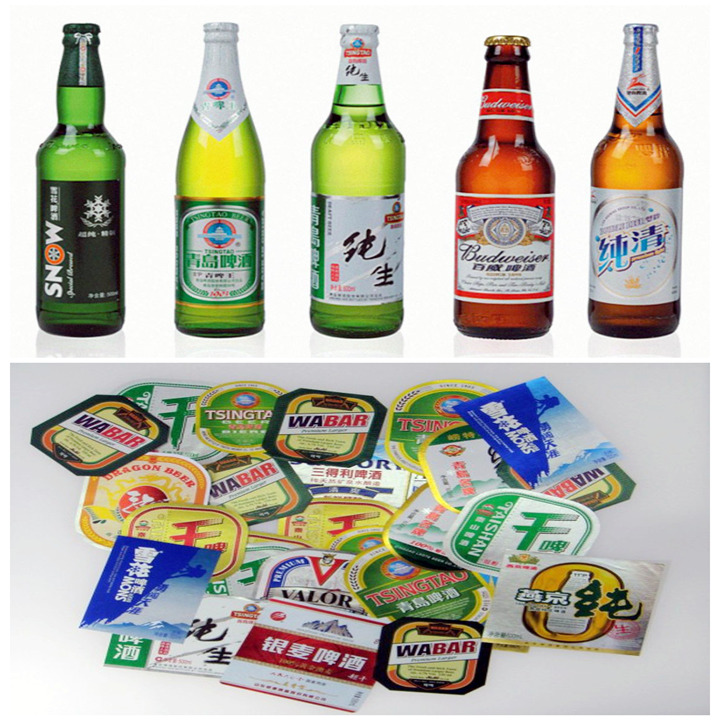
Below, we break down the top contenders for beer bottle labeling to help you make an informed decision for your brewery.
BOPP Labels
Pros: BOPP (Biaxially Oriented Polypropylene) is widely considered the workhorse of the beverage industry. These thin, plastic-based labels are inherently water-resistant and oil-resistant. They are engineered to perform exceptionally well in the "wet environments" typical of beer consumption—think sweaty bottles in a humid backyard or submersion in an ice bucket.
Cons: While highly functional, BOPP is a synthetic plastic, making it generally less eco-friendly than natural paper options. However, it's worth noting that standard paper labels often fail in moisture-heavy conditions, leading to waste.
Best Applications: Ideal for high-speed standard production lines, large batches, and breweries that demand consistent, rugged performance across thousands of units.
Finishing Options: BOPP is incredibly versatile. It accepts lamination and UV varnish (protective coatings that add gloss or matte textures). It is also compatible with hot foil stamping for metallic accents, screen printing, and spot UV to highlight specific design elements.
Environmental Factors: BOPP withstands the friction of shipping and the temperature shifts of cold storage without issue. These labels won’t smudge or slide off when pulled from a cooler full of melting ice.
Shrink Sleeve Labels
Pros: Shrink sleeves offer the ultimate canvas for creativity. They provide 360-degree branding real estate, wrapping entirely around the container. This allows for intricate storytelling and vibrant graphics that cover every inch of the bottle. They are also excellent for conforming to unique, custom bottle shapes.
Cons: The visual impact comes at a price. Shrink sleeves have a higher upfront cost and require specialized application equipment (steam or heat tunnels), which may necessitate a co-packer. Recycling can also be a hurdle; unless perforated for easy removal by the consumer, they can complicate the recycling stream for glass and aluminum.
Best Applications: Premium seasonal releases, limited editions, uniquely shaped bottles, or brands that rely heavily on illustrative art.
Finishing Options: Brands can utilize UV varnishes, cold foil, screen printing, and even tactile (sand/grit) varnishes to create a unique hand-feel.
Environmental Factors: The durability is top-tier. Because the ink is often printed on the inside of the sleeve (reverse printing), the graphics are protected from scuffs during shipping and shelving.
Paper Labels and Metallized Options
Pros: Paper labels offer a texture and tradition that plastic simply cannot replicate. They are the go-to for achieving a rustic, vintage, or artisanal "craft" look. However, standard paper has limitations.
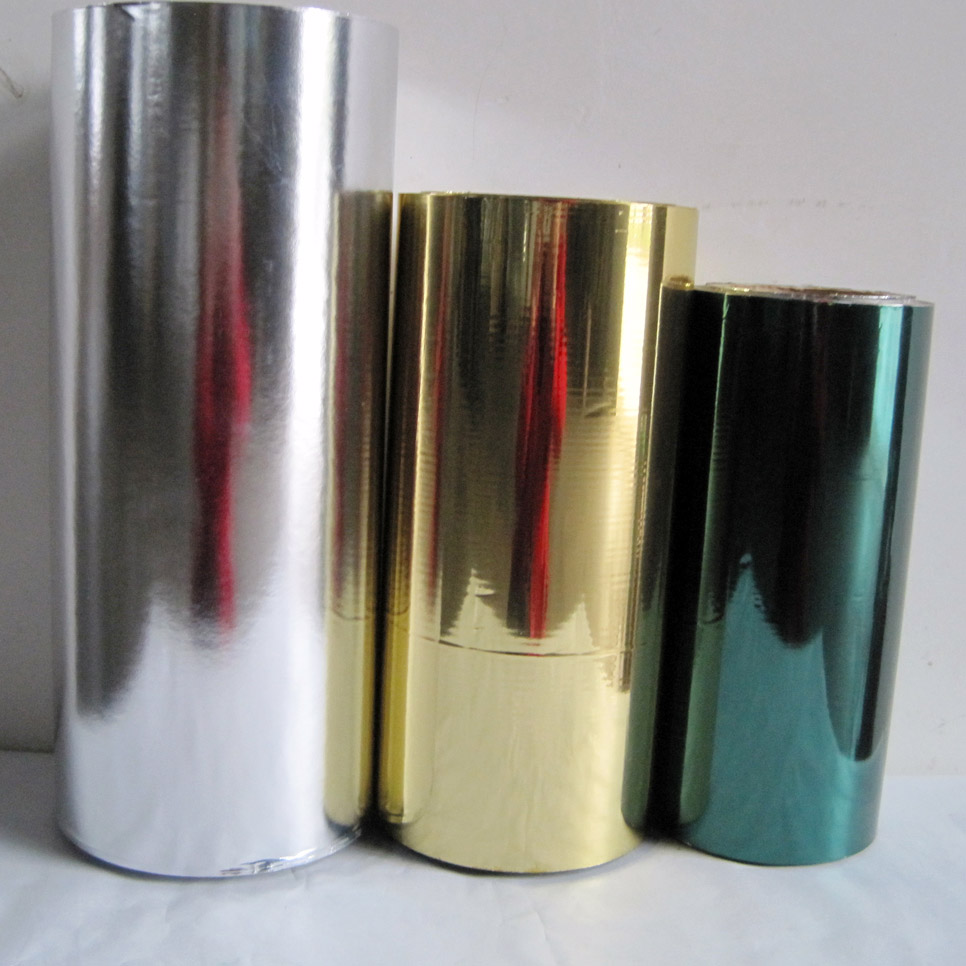
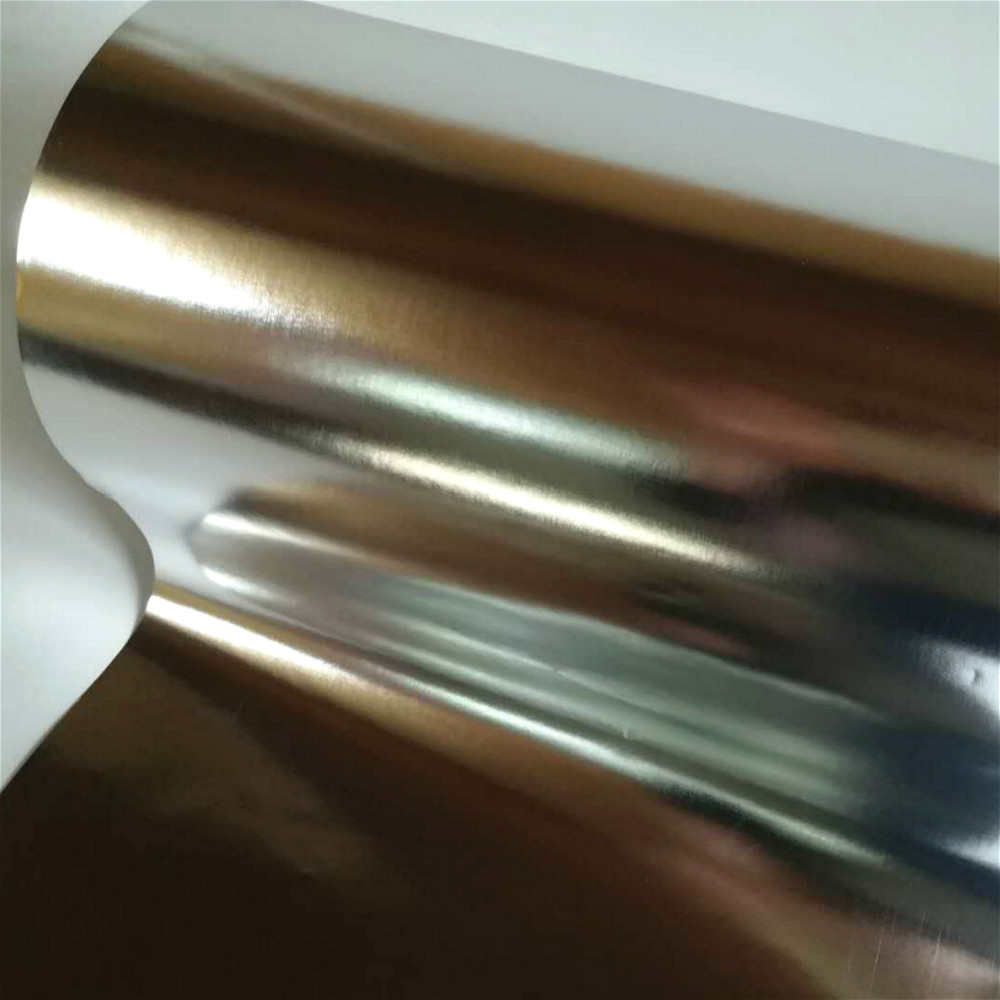
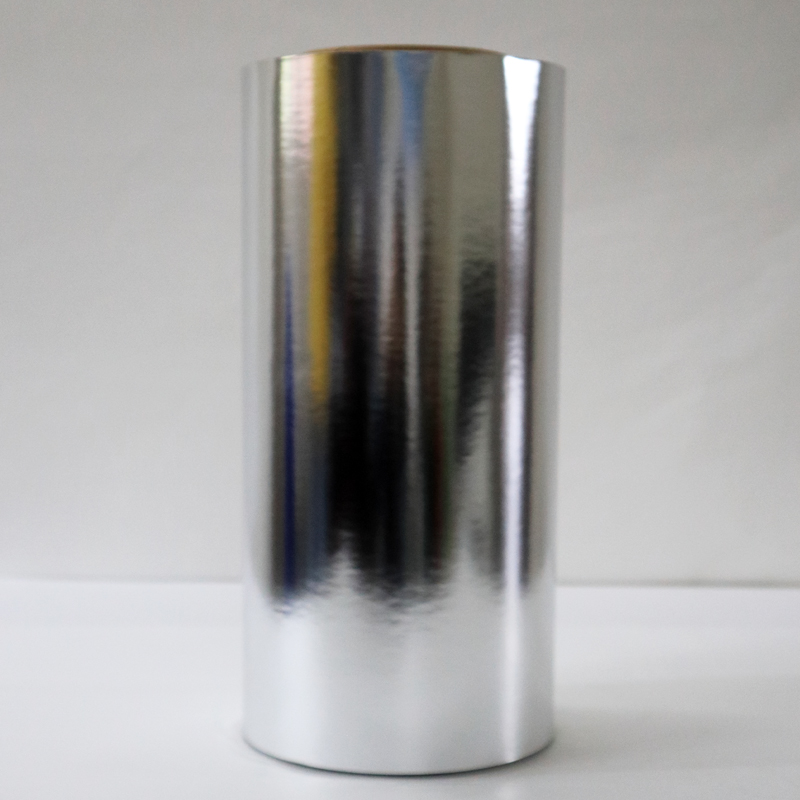
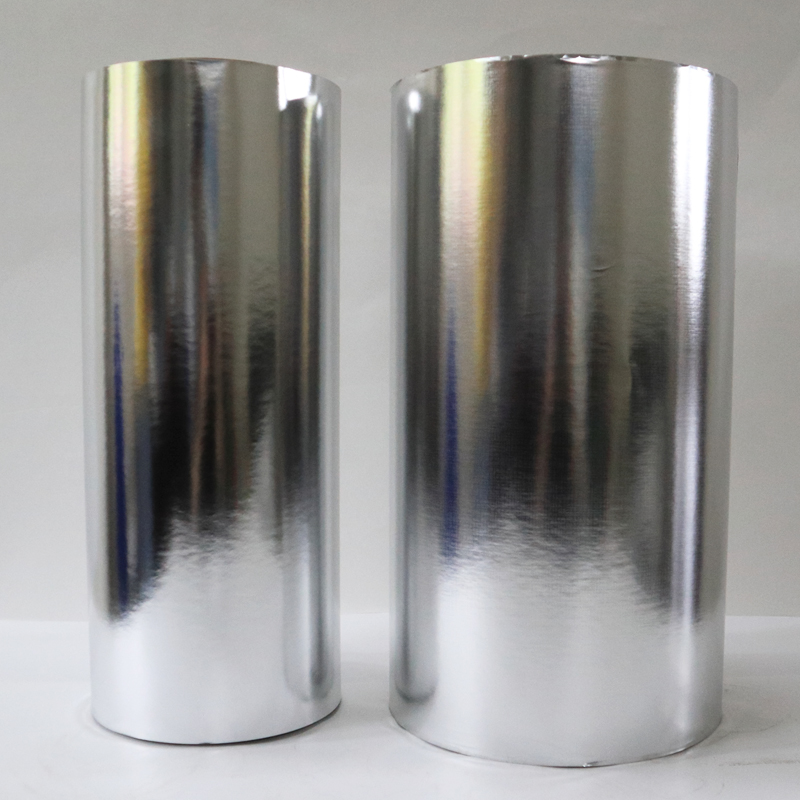
This is where specialized materials like metalized beer label paper shine. Metallized paper combines the tactile elegance of paper with a thin layer of aluminum, offering a premium, shimmering finish that catches the eye on a crowded shelf. It provides the "pop" of foil but with the printability and conversion speed of paper.
Cons: Standard uncoated paper is vulnerable to moisture. In a cooler, it will absorb water, wrinkle, and eventually disintegrate. To combat this, paper labels for beer must be "wet-strength" treated or heavily varnished/laminated.
Best Applications: Small-batch releases, premium artisan beers, wine-barrel aged stouts, and brands aiming for a sophisticated, classic aesthetic.
Finishing Options: Paper is a playground for embellishment. It supports die-cutting, embossing (raising the texture), hot foil stamping, and high-quality offset printing. For brands looking to understand the technical benefits, reading our guide on What is Metallized Paper offers deeper insights into how this material is manufactured.
Environmental Factors: While standard paper struggles in the wet, high-quality wet-strength metallized paper is designed to hold up in ice buckets for hours while maintaining its bond and visual integrity.
Vinyl Labels
Pros: Vinyl is the tank of label materials. It is thick, durable, and highly moisture-resistant. It excels in outdoor exposure and long-term storage, resisting fading from UV light better than most other substrates.
Cons: It is significantly more expensive than paper or BOPP. Adhesive compatibility can also be tricky depending on the bottle coating. Due to the cost, it is rarely used for high-volume flagship beers.
Best Applications: Crowlers, growlers, keg collars, or beers frequently exposed to harsh outdoor environments—think summer beer gardens or beachside events.
Finishing Options: Similar to BOPP, it works well with die-cutting, lamination, and UV varnishes. For a unique metallic look on a durable substrate, some brands opt for a sliver metallized pet film, which offers vinyl-like durability with a mirror finish.
Environmental Factors: Excellent performance in moisture, cold storage, UV exposure, and heavy abrasion conditions. It maintains clarity and adhesion even after weeks of outdoor abuse.
Quick Comparison Table
| Material | Durability | Moisture Resistance | Cost | Best Application |
|---|---|---|---|---|
| BOPP | High | High | Low | High-volume, general-purpose labeling |
| Shrink Sleeve | Very High | Very High | High | 360° branding, unique shapes |
| Paper / Metallized Paper | Moderate (with treatment) | Moderate (wet-strength) | Moderate | Premium, artisanal, vintage aesthetic |
| Vinyl | High | High | High | Outdoor usage, harsh conditions |
Summary
Choosing your label material is a balancing act between production scale, storage environment, and brand identity. While BOPP offers practical durability for mass production, materials like metalized beer label paper provide an unmatched shelf appeal that signals premium quality to the consumer. For extreme durability, vinyl or sliver metallized pet film might be the answer.
At Huafu Pack, we specialize in helping breweries navigate these choices. Whether you need the shimmering elegance of metallized paper or the rugged performance of film, our 20 years of expertise ensure your bottle looks as good as the beer tastes. Contact us today to request a sample pack and see the difference quality materials can make.